With phase 2 clinical trials looming, a chemist’s 40-year dream is one step closer to reality
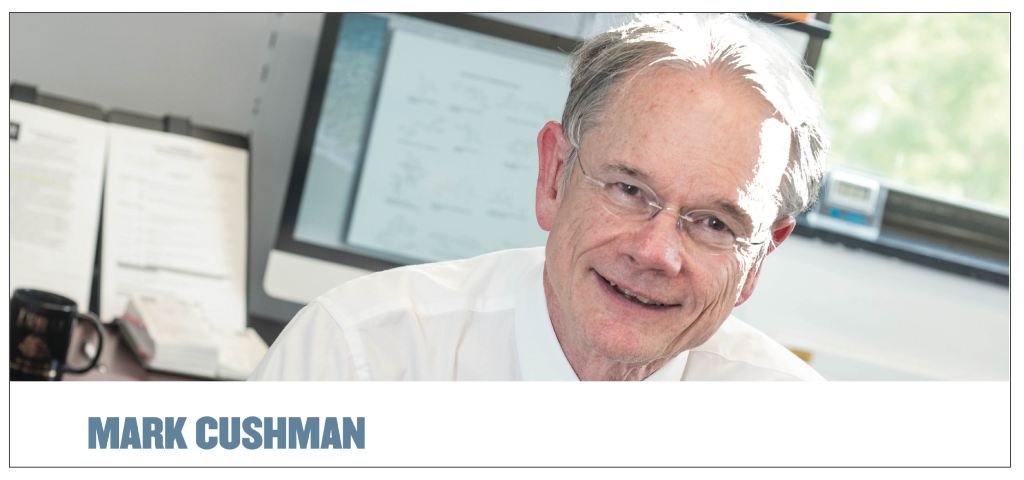
Sitting in a University of California, San Francisco, lecture hall in the 1960s, Mark Cushman was much like his fellow pharmacy classmates: young, idealistic and eager to invent new medications to help people.
Cushman’s dreams, however, were quickly put to rest by a well-intentioned professor who warned that the chances of discovering a viable compound, finding someone to finance it, and getting all the way to FDA approval were next to impossible.
That was then. This is now.
Nearly 50 years after completing his PharmD and 40 years after serendipitously creating promising new anti-cancer agents in his Purdue laboratory, two of Cushman’s drugs — LMP400 (indotecan) and LMP776 (indimitecan) — have just passed phase 1 clinical trials. They’re now headed into phase 2. Read more.
Living in cancer’s shadow
It was another warm September day and the sun had already begun to set, its descending rays casting pink and orange against an azure sky, when Andrew Mesecar drove home from work and discovered that his wife had found a lump in her breast.
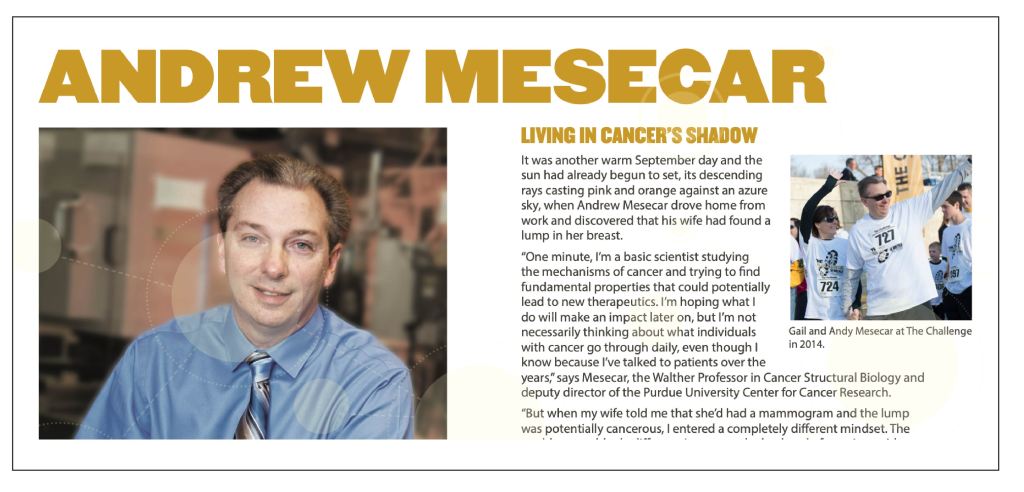
“One minute, I’m a basic scientist studying the mechanisms of cancer and trying to find fundamental properties that could potentially lead to new therapeutics. I’m hoping what I do will make an impact later on, but I’m not necessarily thinking about what individuals with cancer go through daily, even though I know because I’ve talked to patients over the years,” says Mesecar, the Walther Professor in Cancer Structural Biology and deputy director of the Purdue University Center for Cancer Research.
“But when my wife told me that she’d had a mammogram and the lump was potentially cancerous, I entered a completely different mindset. I was now the husband of a patient with cancer.” Read more.
Home delivery
When physician Joseph DeLee rented a cluster of tenement rooms on Chicago’s Maxwell Street in 1895, obstetrics was a woefully undervalued specialty. Medical students received most of their childbirth training on mannequins, occasionally paying a seasoned mother to allow them to attend her birth at home.
Hospitals were the place of last resort for women who couldn’t afford a home birth, and their unsanitary conditions were leading to 20,000 postpartum infection deaths each year in the United States.
DeLee envisioned something better at what eventually became the Chicago Maternity Center: a clinic providing low-cost prenatal care and home delivery along with hands-on experience for physician residents and midwives. Drawing from the most sterile practices of the day, nurses turned their patients’ homes into labor and delivery wards. Read more.
Venture Lab startup hits milestone in quest to treat musculoskeletal disorders
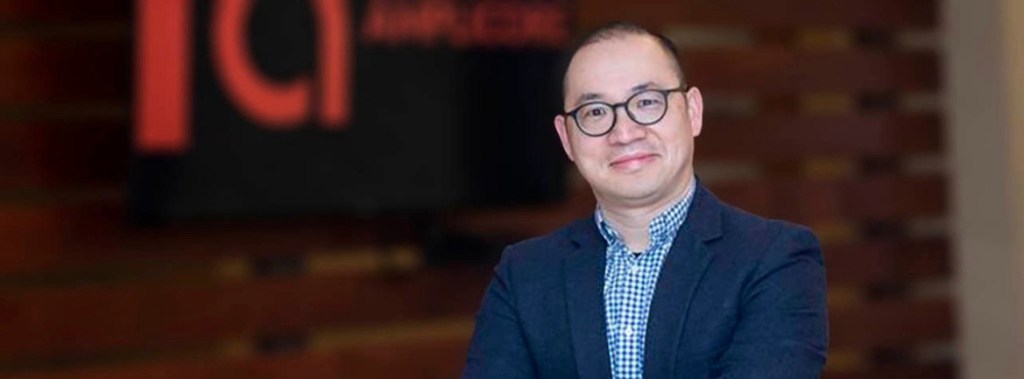
C. James Lin, PhD, the Mary S. and Joseph S. Stern Jr. Professor of Orthopaedic Surgery, is on a mission to reduce the pain and loss of mobility associated with musculoskeletal disorders.
Applying his background in civil engineering to the architecture of the human body, Lin is seeking new treatments for joint osteoarthritis, cartilage damage and degenerative disc disease.
With the help of the University of Cincinnati’s Venture Lab, Lin created a company, Amplicore, to commercialize his therapeutics. Since its founding, the startup has raised $6 million, including a $2 million translational award from the Department of Defense and $4 million Series Seed funds from venture capitalists — one of the highest amounts raised by any Venture Lab company to date.
Now, this summer, the company hit another milestone in its quest to bring its innovations into the marketplace — the launch of a clinical trial for AM3101, an injectable therapeutic that can be used in meniscus tear surgeries. If the Phase 1/2 trial goes well and Amplicore can raise enough support through its current Series A fundraising round, the company will then proceed to a larger Phase 3 trial.
Wake up and smell the coffee
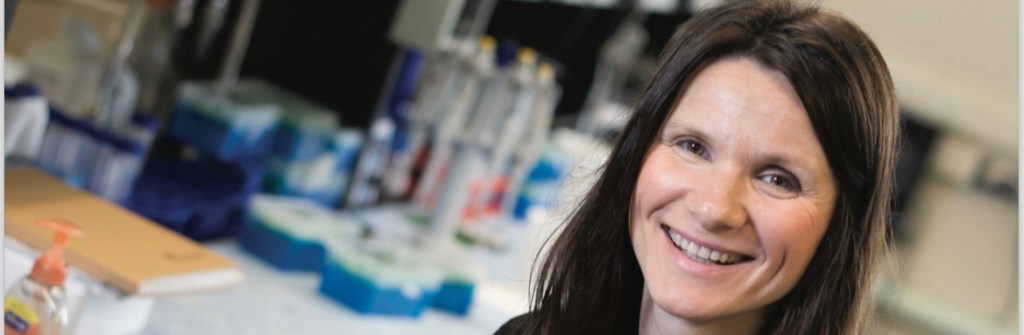
Barbara Stefanska gave up her morning java ritual several years ago when medical reports hinted that it might not be good for our health. But thanks to her own research, she’s waking up and smelling the coffee again.
Stefanska, an assistant professor of nutrition science and a member of a cancer prevention group initiated at Purdue this year, is focusing her research on epigenetic changes to our DNA that occur from environmental exposures.
Unlike genetic mutations, which can only be reversed through gene therapy, epigenetic changes — which don’t affect the underlying genetic code — can be reversed through simple changes like medications and diet.
Projects represent work done for employers.
.
 Hydrangea Studio