I have loved reading since I was a child. Back then, summertime gave me endless hours upon endless days to read as much as I wanted.
Propped against my bed or lying on my blue shag carpet, I would lose myself in epic stories. Five Jewish sisters enjoying everyday adventures in early 20th-century New York. Pioneer girls surviving blizzards, locust plagues and the isolation of the prairie. Twelve siblings in 1940s New Jersey testing their parents’ time-efficiency techniques for bathing, dishwashing and more.
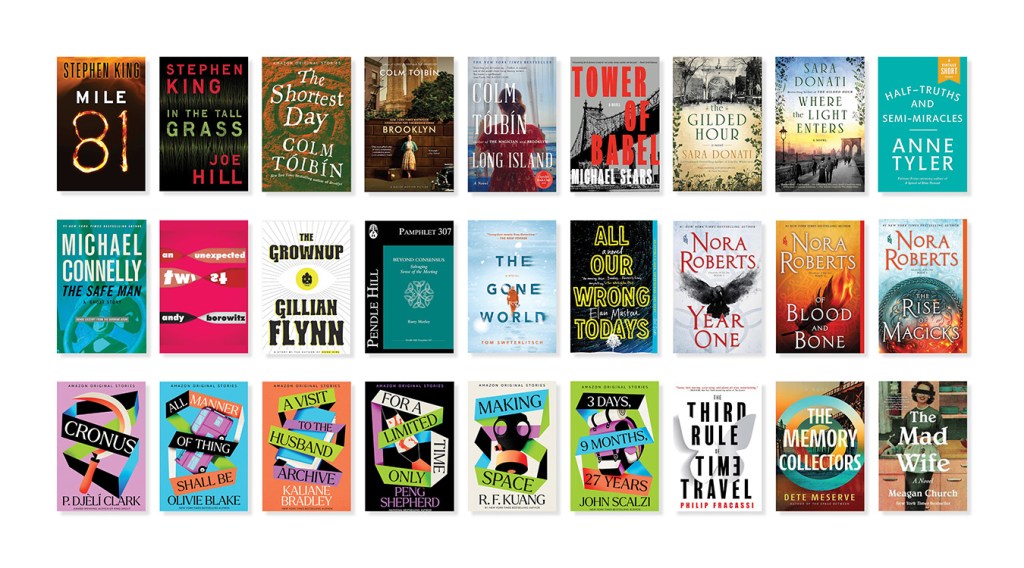
While I don’t have unlimited time these days, I still want to read as much as I can. A few years ago, I set a goal of reading 52 books a year. So far in 2026, I have read 27 books.
As the designer of my personal reading program, I get to make my own rules:
📱Use the library. Whenever possible, I check out books using the Libby library app for e-books and audio. Pro tip for fellow Ohioans: you can get a free library card at nearly any public library in the state.
🎧 Mix formats. Listening to audiobooks while working and switching to the text version at night keeps my momentum going.
⏱️ Allow novellas. If I fall behind, shorter reads are fair game.
📚 Explore new voices. I actively read new-to-me authors each year. In 2026, that’s included Colm Tóibín, Michael Connelly, Gillian Flynn and Nora Roberts.
This year, my favorite book so far is “Prairie Fires,” the Pulitzer Prize-winning biography of Laura Ingalls Wilder by Caroline Fraser. It’s not on the list because I’m still reading it!
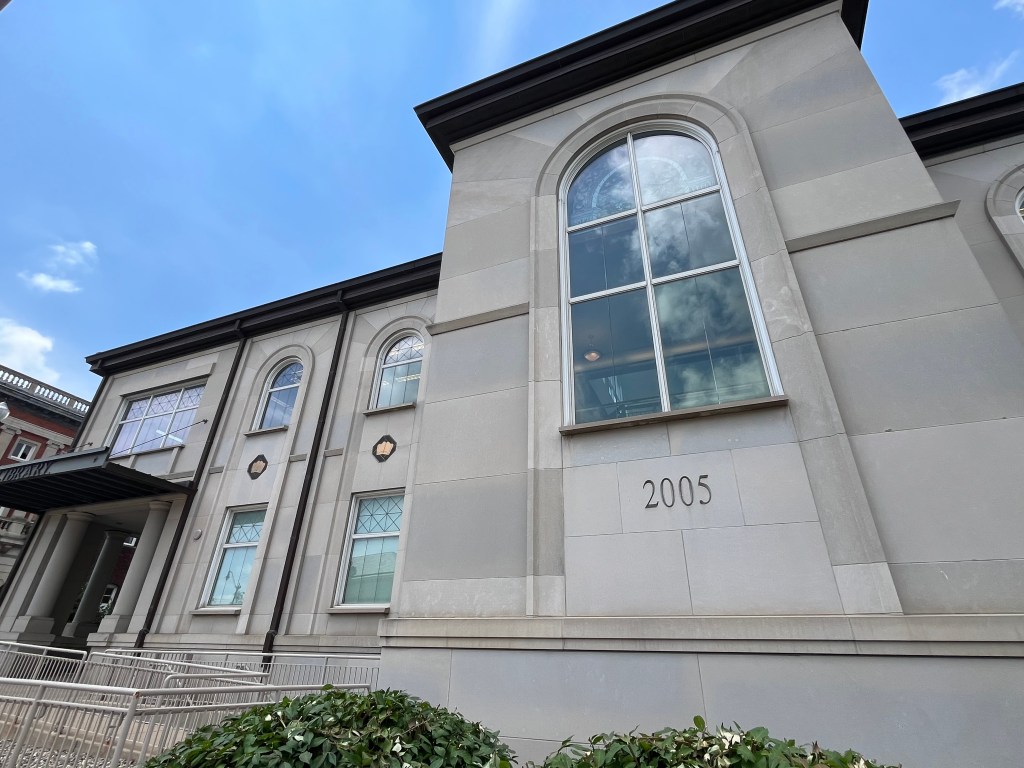
In the early 2000s, the Crawfordsville Public Library drew up plans to repurpose the old Carnegie Library and build a much larger facility out of brick, stone and glass on the other side of Washington Street, the main thoroughfare running north and south through this town of about 16,000.
Joe and I were living in a 1950s brick ranch on Country Club Road at the time, raising young children on a tight budget. When a letter arrived asking for contributions to the library’s building fund, we sent in a modest check – likely no more than $50.
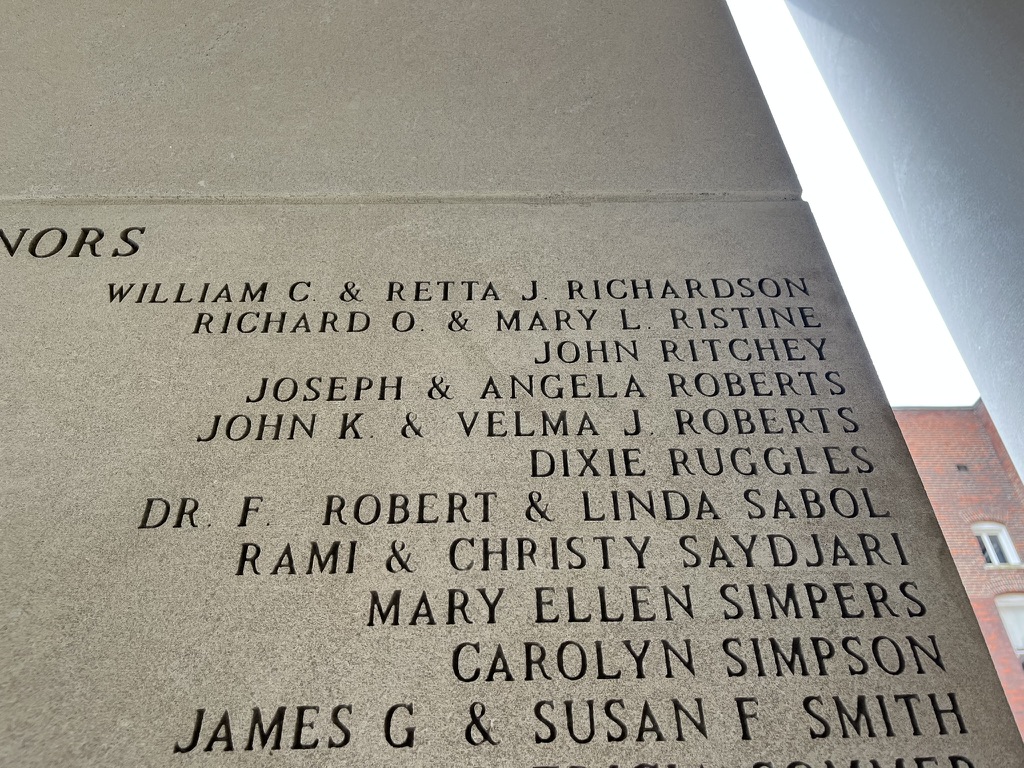
Much to my surprise, when I attended the grand opening of the new library in 2005 with my girls, I saw my name and Joe’s etched into a stone wall near the entrance. Directly underneath us on the honor roll of donors were the names of my in-laws, Ken and Velma Roberts.
I first met the Roberts family in 1987, the summer that Joe and I fell in love at Ball State University. One weekend, Joe drove us to his family’s home in rural Crawfordsville, where fields of corn and beans swayed in the July breeze.
A liberal suburban girl at heart, I worried I wouldn’t have much in common with two empty nesters living out in the country. And yet from the first night I stepped into their house, I immediately felt welcome in the loving home that Ken and Velma had created.
That weekend, as we crowded in the dining room to celebrate the birthday of one of Joe’s nieces, I thought to myself, “If I marry this guy, I get all of his family as a bonus.”
Joe and I married at the Wabash College Chapel in 1990. As we posed for photos, me in an ivory beaded dress and Joe in a gray tuxedo, my new in-laws stood alongside us. Velma, a short brunette, looked elegant in mint green chiffon, while Ken, a foot taller, towered over her in a tux that matched his son’s.
My brother-in-law Bruce joked that I was now officially one of the “outlaws.” But everyone knew the truth: to Ken and Velma, there were no in-laws. We were just family.
Settling into a town two and a half hours away, we drove to Crawfordsville on weekends and for the family’s annual Christmas Eve party, simply called Roberts Family Christmas.
Five years later, I accepted a position in Crawfordsville and we purchased a DIY special, a 1920s Craftsman bungalow on Market Street. For three months, I lived with Ken and Velma while I started my new job, Joe packed up our existing home and we rehabbed the bungalow on weekends.
As Velma cooked meals and I washed dishes at the Roberts homestead every night, Ken rode his lawnmower around their vast yard and tended to his Calla lilies and irises.
When our firstborn arrived in 1998, Ken and Velma waited with my parents at the hospital in Indianapolis for the birth of their ninth grandchild. In 2001, when their tenth and final grandchild was born, they cared for Eve until we came home with Allie a few days later.
As the children grew, so did their bond with Grandpa and Grandma Roberts. They had tea parties with root beer in Grandma’s kitchen and rode around the yard with Grandpa on his riding mower. Eve and Allie loved how genuinely interested their grandparents were in their school activities and hobbies.
Life eventually took us further away. In 2012, we moved to the Lafayette/West Lafayette area, and in 2022, to Cincinnati. Between visits, we stayed in touch via phone and Facebook, where on days when he had nothing profound to say, my father-in-law would simply post, “Still vertical.”
Not long after our move to Lafayette, my mother-in-law became ill. Ken devoted the next four years to caring full-time for Velma, learning to cook regularly for the first time in his life. Soon, he was baking homemade cinnamon rolls, casseroles and decadent brownies.
For his 80-something birthday, the family gifted Ken with a stack of cookbooks. When he unwrapped an apron and tied it on, the living room erupted in laughter. My father-in-law, in on the joke, laughed alongside us.
Velma died in 2017. Ken remained in their home until last November, seven months after we celebrated his 95th birthday. With more than 50 people in the immediate family by then, we had to rent an event space in a church, where some of the grandchildren and great-grandchildren shared tributes to Grandpa Roberts as we snacked on cookies and cupcakes.
Last winter, after moving to assisted living, Ken was hospitalized with double pneumonia, caught COVID in rehab and was diagnosed with a pulmonary embolism, defying the odds on all three. During one of our last visits this spring, he was still vertical in his office chair, checking Major League Baseball scores on his computer and sharing funny stories about the staff and residents.
Last Wednesday, Ken was hospitalized for the final time. By the time Joe and I arrived after midnight, he was sleeping peacefully.
Just after 5 p.m. on Thursday, Ken slipped away. He was 96 years and 3 months old.
On Friday, after running some funeral-related errands, Joe and I stopped at one of our local favorites, Arni’s, just west of the library. Walking back toward the van after lunch, I told Joe I wanted to visit the donor wall next door.
Standing there, looking at our names etched one on top of the other, I felt a sense of shared history with my father-in-law.
The family that Ken built, the love he gave and the names we share are permanently set in stone. I am honored to stand alongside him for as long as that building remains.
Twenty-five years ago, I swallowed my pride and accepted $25 an article.
It was summer 2001, the Dot Com Bubble had burst, and I had lost the anchor contract that funded my consulting business. With a toddler and a newborn at home, I was in a tough spot and needed to bring in income. Fast.
I called a local editor whom I had politely turned down the year before because her rate was “too low.” She didn’t seem to remember me, thankfully, and offered me the gig again.
That summer, I went on the road, often with my girls in tow, conducting interviews with a notepad and pen at farms and county fairs. I mapped out stories in my head while taking quick showers, and I typed frantically during nap times, turning out dozens of articles over the next few months.
Did I make a fortune? Absolutely not. But looking back, that grueling summer taught me two valuable lessons:
Market value supersedes ego. It doesn’t matter what you want to charge if no one is willing to pay it. Taking a lower rate at that moment got me through a tough spot and ultimately led to much-better paying opportunities.
A valuable ROI might be hiding under a low price tag. That summer, I built a large portfolio of clips, became a much more efficient writer and honed the storytelling skills that I still use today.
In fact, those articles eventually led to regular writing assignments at a nearby university. When one of my university clients later offered me a full-time role, I paused my business to accept it, spending the next 13 years happily working there.
Fast forward to now. In 2023, I rebooted my consulting business with a new focus. I’ve shifted away from regional magazine writing to focus primarily on long-term partnerships with major university, education, healthcare and tourism clients.
The hustle looks different now, but I will never forget where I started.
If you are currently grinding through a tough season, or taking lower rates just to bridge a gap, please remember that the rate you accept today is not a life sentence. It is just a season.
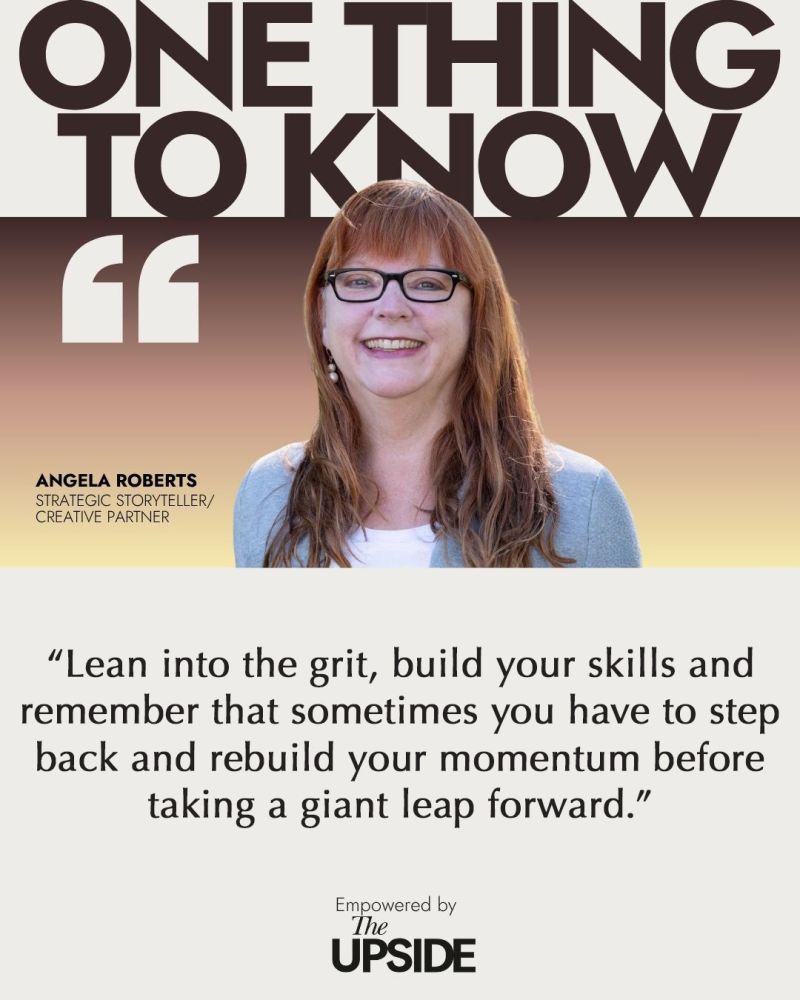
Lean into the grit, build your skills and remember that sometimes you have to step back and rebuild your momentum before taking a giant leap forward.
This is me in January 2024. It was the first Saturday of the new year, and I was at the credit union opening my first business account in Ohio. I hadn’t even bothered to put makeup on, but I wanted to capture the moment.
Standing in the parking lot later, I texted this photo to some girlfriends with a note that I was officially back in business for myself.
My first venture into entrepreneurship started in 1999 during the beautiful, chaotic early years of motherhood. Back then, my work was a balancing act, crafted around school schedules and the modest income goals of a young family. Ultimately, my ten years of self-employment landed me a role with my choice employer, where I stayed for 13 years.
Fast forward to November 2023. A year after I had relocated to Cincinnati for a director role, my position was eliminated.
I came home that day and immediately got to work.
This time, the stakes were higher. I was no longer a young mom working around the margins. I was a marketing director and hands-on creative with nearly 40 years of experience and a significantly higher income to replace.
I stopped asking, “Can I make this work?” and started asking, “How do I build this to scale?”
🖥️ I mobilized. Within weeks, I had built out a website, designed business cards and scheduled dozens of informational calls with my professional network.
🏦 I solidified. Less than a year after I took that photo, I transitioned from a simple DBA to a formal LLC, set up payroll and prioritized my future with a SEP retirement fund.
👭 I expanded. I started collaborating with people like my sister, Sheila Butler. And I joined The Upside, connecting with consultants in the United States and beyond to sharpen my strategy and broaden my reach.
If you’re standing at a career crossroads, know that you have more leverage than you think. Trust the expertise you’ve built, and don’t be afraid to claim the seat you’ve earned.
When our youngest daughter was an infant and we were searching for a quieter, safer place in Crawfordsville, Indiana, my husband found a 1950s brick ranch out in the country. The house itself wasn’t remarkable. In fact, it needed too much work. But the location was idyllic, with cows grazing across the road, a small neighborhood behind us and the Sugar Creek Trail just a short walk away.
We watched that house for months as it languished on the market, and when the timing and price were right, took a chance on our third fixer-upper. The house had only two bedrooms and a single bath. The roof was actively leaking, and the dark walls and ceilings were dreary. But it was, we thought, the perfect place to raise our children and grow old together.
As soon as we moved in that August, we began the work of making the house livable. Two bedrooms became three. The electricity was upgraded. And the roof was replaced (for the first of two times during our tenure there). And over the ensuing years, we stripped wallpaper, replaced fixtures, removed walls and put up new ones, all the while working and raising two very active children.
We thought we would live in that house forever. So we took our time with the renovations, saving money by having Joe do most of the work. But gradually, our lives began moving north. Joe took a job in Lafayette. Then I began teaching part-time up there. Then I was offered a job with my favorite university, and we enrolled the kids in school across the river from Purdue. By 2009, all four of us were commuting in my Prius five days a week, leaving our home behind every day.
Meanwhile, Joe continued to slog away at this Home of Undone Projects. A property that simply could not be sold as-is in the midst of the country’s worst housing crisis. And we continued to live in a state of renovation, me splashing new paint on the walls every now and then to pretty things up while Joe hammered, spackled and drilled.
Over the ten years that we lived there, our children grew from toddlers to adolescents. On Christmas, they discovered overflowing stockings on a fireplace mantel constructed from an antique chalk rail. On Easter, they searched for eggs in the spacious back yard, where we had replaced the crumbling brick patio with a deck. And three times, they said goodbye to beloved pets, all buried where the garden pond used to be.
Then last summer, a foreclosed builder’s model we had been watching on the south side of Lafayette was relisted at just the right price. A month later we were packing up a moving van and saying goodbye to Crawfordsville.
I have to admit, when I moved out of the house last summer, I was relieved. After three house renovations over 22 years of marriage, I was beyond burned out. But when we left, the house and all its undoneness still beckoned. And so for six months, my intrepid husband commuted back to Crawfordsville nearly every weekend, installing trim, touching up woodwork and repainting walls and ceilings one last time.
Halloween came and went. And then Thanksgiving, Christmas and Valentine’s Day. Finally, the weekend before Easter, the house was complete enough for a for-sale sign.
This morning, less than two weeks after the house entered the MLS, we accepted an offer from a man who, we were told, has fallen in love with our house. That we found an enthusiastic and willing buyer so quickly is testimony to my husband’s meticulous attention to detail.
It’s also a testament to his perseverance. I have complained, and admittedly, cried, many times in frustration over this home renovation. But Joe has never wavered in his dedication to see this project through to completion. He gets all the credit due for this victory. And my immense gratitude for finishing a home he will never get to fully enjoy.
Over the years, I’ve seen a recurring challenge in creative projects: a mismatch between a designer’s skill set and an organization’s actual needs. It often starts with a simple “yes” during the interview and ends with project delays when the work requires tools or techniques outside the designer’s wheelhouse.
To help ensure you choose the right designer from the beginning, it’s helpful to look beyond the portfolio.
Technical standards
“Knowing Adobe” can mean many things. Designers often specialize, so it’s useful to understand these three core Adobe Creative Suite applications and what they’re best suited for:
Adobe InDesign: Ideal for print newsletters, multi-page brochures and complex layouts.
Adobe Illustrator: Built for vector design, making it the strongest choice for logos and graphics that need to scale.
Adobe Photoshop: Essential for preparing images, from resolution to color correction, for digital or print use.
While a designer can create a publication in Photoshop or a logo in InDesign, matching the tool to the task leads to cleaner files, sharper visuals and a smoother workflow. And depending on the project, you may only need a specialist – an illustrator, a photo editor or a layout and design expert.
A helpful way to vet a designer is to ask, “Which program will you use for this deliverable, and why?” Clear, confident answers often signal that the designer understands the technical path to the finish line.
Print versus digital needs
Tools like Canva are great for simple social graphics or templates that internal teams can update easily. For some projects, that’s exactly what’s needed. But when a project involves commercial printing – bleeds, CMYK color profiles and high-resolution exports – professional design software typically offers more control.
We all know that visuals matter. But we also know that high-quality photography can be expensive, and not everyone has the budget for a custom brand shoot – nor does every social media post or web image require it.
While I have paid subscriptions to Shutterstock and Adobe Stock, I also use free stocks frequently. Here are my go-to favorites:
Pixabay
Vibe: Functional and literal, with a massive library
Variety: Photos, vectors, illustrations, gifs, music and video
Best for: PowerPoint decks, educational content and DIY graphics
Important note: This site is a mixed bag. Some of the staged images look professional, while others look cliched.
Pro tip: Many stock sites have a limit of 500,000 views or so before you have to pay additional licensing fees. Pixabay is a rare gem that allows high-volume usage without any fees at all. (Please check current terms and conditions before using for a large campaign, though.)
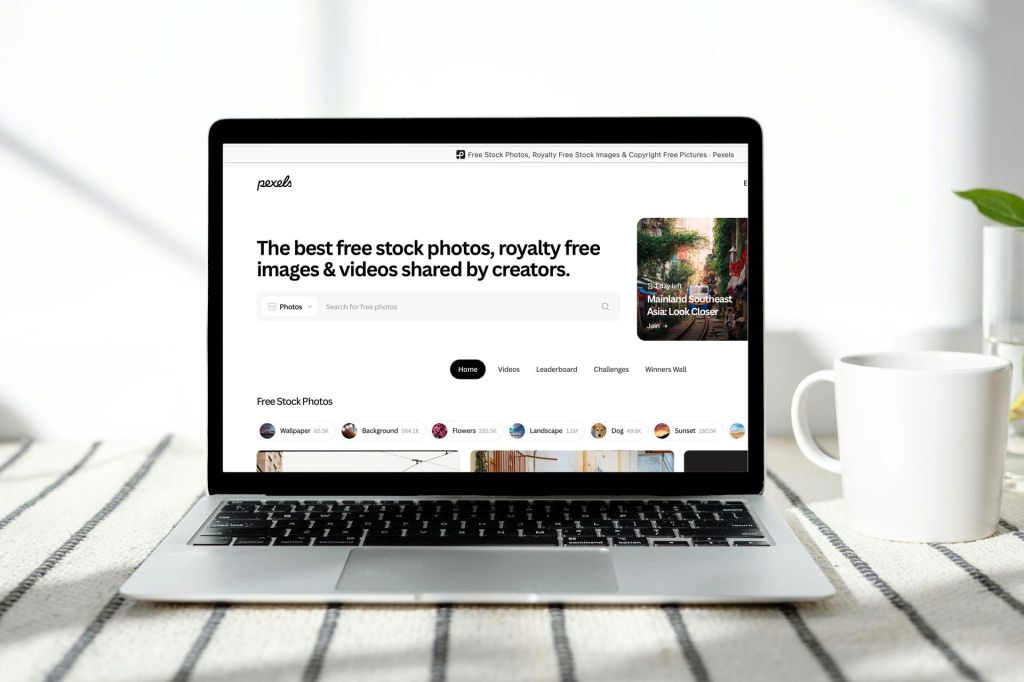
Pexels
Vibe: Modern and professional, with a mix of artistic, natural images and corporate ones
Variety: Photos and video
Best for: Ads, social media and web design
Pro tip: If you aren’t sure what you need, Pexel’s Discovery pages feature curated images.
Unsplash
Vibe: Artistic and moody, with a focus on dramatic lighting, deep shadows and unique perspectives
Variety: Mostly photos
Best for: Blog posts, editorial and inspiration
Pro tip: Filter for free images unless you want to pay for an Unsplash+ subscription.
A note on Googling for images
Occasionally, a client will tell me they downloaded an image they found on Google. Most of these images are subject to copyright restrictions, however, so it’s best to stick with stock photo sites.
In a meeting recently, when someone brought up the topic of search engine optimization, a seasoned writer and editor rolled his eyes, groaning about SEO guidelines that he didn’t seem keen to comply with.
Hey, I get it. As a writer myself, I understand that most writers don’t want webmasters telling them what to do any more than developers want writers telling them what to do.
But the thing is, Google and other search engines are the primary way that people, including writers, navigate the internet. If you want to rank higher in search engine results pages (SERPs), which should improve the marketing efforts that you’re an essential part of, there are ways to write for both people and search engines that you can be happy about. Here are some tips.
Write high-quality content.
Before you worry about keywords and other SEO strategies, start by crafting text that is informative, engaging and relevant to your target audience. Search engines are getting better at understanding quality, which will help to ensure that your valuable content gets the attention it deserves.
Use keywords strategically.
Keywords are the words and phrases that people are searching for online. When you use relevant keywords throughout your content, you’re making it more likely that your content will show up in search results.
However, you don’t have to overdo it. If you use too many keywords, your content will look spammy and you’ll be penalized by search engines. Keep in mind that excerpts and metadata can also help optimize content without affecting your prose, as long as the summary adequately represents what’s on the page itself.
Add a call to action.
CTAs are not just for campaign pages. Even in a news article, you can tell your readers what you want them to do next, whether it’s signing up for your email list, sharing your content on social media or registering for an event. These days, readers are used to being invited to do something as a result of reading an article, so it’s OK to give them the opportunity.
Optimize your website for search engines.
Writers and editors are integral parts of web redesign teams. When working alongside developers, be sure to consider best practices like a clear and concise website structure, relevant title tags and meta descriptions, and mobile-friendly design. Likewise, if you’re responsible for uploading your stories to a company site, be sure to include strong, descriptive headlines; subheads that establish hierarchy of content; high-quality photos and videos; and keywords embedded into the metadata.
Build backlinks to your website.
Backlinks are links from other websites to your website. The more backlinks you have, the higher your website will rank in search results. There are a number of ways to build backlinks, such as guest blogging, submitting your website to directories, participating in online forums and working to get company leaders quoted in the media.
Promote your content on social media.
Social media is a great way to drive traffic to your website. Share your content on your profiles and engage with your followers. Even if you’re not in charge of social on the job, you can write posts in the company’s voice to hand over to social media managers.
Is it actually important for writers to understand SEO?
In a word, yes.
With a majority of marketing budgets being devoted these days to digital marketing, Search Engine Optimization is crucial for staying relevant and competitive.
As an essential member of a marketing team, you can work with web developers, strategists and others to improve your team’s chances of getting discovered by search engines and reaching a wider audience.
While some aspects of SEO are the domain of web experts and not necessary for you to understand in detail, other SEO factors are best left to writers like you. Understanding these essentials will help you create more engaging and relevant content that is more likely to get noticed by people you’re trying to reach.
Here’s a quick summary of what you need to know.
What SEO is
SEO stands for Search Engine Optimization. It is the process of improving the quality and quantity of website traffic to a website or a web page from search engines, and target unpaid rather than direct or paid traffic. Ultimately, SEO is about making your website more visible in search engine results pages (SERPs).
How it works
Search engines use algorithms to crawl and index websites. When someone searches for a keyword or phrase, the search engine will return a list of results that are relevant to the search query. The higher a website ranks in the search results, the more likely it is to be visited by users.
Why use it
SEO can yield a number of benefits, including increased website traffic, improved brand awareness, higher conversion rates, increased sales and improved customer satisfaction – basically, the key outcomes most marketing teams are looking for.
How writers can help
There are several ways that you as a writer can improve your website’s SEO, such as creating high-quality content, using relevant keywords and building hierarchies into web structure. Many of these activities involve collaboration with other members of the marketing team in order to capitalize on everyone’s strength and knowledge.
What else you should know
SEO is a complex and evolving field. It’s also an ongoing process that requires time and effort. However, by following best practices, you and your team can help ensure that your online marketing goals are met, driving company success.
Before the advent of CRM software, customer relationship management was a much more manual and time-consuming process. Businesses often relied on paper-based systems, such as filing cabinets and Rolodexes, to keep track of customer information. Sales teams would have to manually track interactions and enter data into spreadsheets without easily being able to share updates in real time, leading to missed sales opportunities.
Today, CRM software has made it much easier for organizations from corporations to foundations to universities to manage relationships by providing a centralized database for customer information and automating many processes involved in customer interactions.
As a marketing professional, you may be tasked with working with your sales, development or admissions department to connect marketing campaigns with CRM software. Here are some essential things to know.
Understanding CRM software
Customer relationship management platforms provide a centralized database for customer information, which can be accessed by different teams and departments within a business. The database allows businesses to keep track of customer interactions across multiple channels, such as email, phone and social media, in one place.
The software also automates many of the processes involved in tracking customer interactions, such as logging calls and emails, scheduling follow-up tasks and creating reports. This makes it easier for businesses to provide personalized service to customers, as well as to identify opportunities for cross-selling and upselling.
Additionally, many CRM software solutions also offer features such as marketing automation and analytics, which can help businesses better understand their customers and improve their overall experience. Finally, many offer additional tools such as templates for sophisticated newsletters, which can drive calls to action.
Advantages
CRM software offers several advantages over traditional paper or spreadsheet solutions. They include:
Centralized customer data: With all customer data in place, every team get a complete picture of each customer and their interactions with the business across different channels.
Improved customer service: Knowing the customer’s complete history heps team members quickly respond to customer queries and provide tailored solutions to meet their needs.
Automation of manual tasks: By automating many of the manual tasks involved in tracking customer interactions, such as logging calls and emails, scheduling follow-up tasks and creating reports. sales and customer service teams have more time to focus on building relationships.
Increased sales: CRM software helps to identify opportunities for cross-selling and upselling, as well as to track leads and sales opportunities, which can led to increased revenue.
Better analytics and reporting: With features such as marketing automation and analytics, businesses can better understand their customers and improve their overall customer experience. Data also provides benchmarking for enhanced decision-making.
Disadvantages
Some of the disadvantages of using CRM software for businesses are:
Cost: Implementing CRM software can be expensive, especially for smaller businesses. They may need to invest in hardware, software licenses and training to ensure that they can use the software effectively.
Complexity: CRM software can be complex and difficult to use, especially for those who are not familiar with the system. This steep learning curve can cause a temporary drop in productivity while users are still trying to get to accustomed to the software.
Integration: Integrating CRM software with other systems and applications can be challenging, especially if the software is not compatible with existing systems. This can lead to data silos and a lack of integration between different departments and teams.
Campaign coordination: When planning a campaign, it’s great to link calls-to-action to CRM software, which can automate follow-up messages. But this level of sophistication requires deep coordination with multiple business units, which need to make decisions such as who will monitor the database to track progress and who will be assigned to follow up personally with high-value prospects.
Maintenance: CRM software can be time-consuming and costly, requiring updates and maintenance to ensure that it’s running smoothly and that data is being stored and accessed correctly.
Data security: CRM software contains sensitive customer data, which makes it a target for cyber attacks. Businesses need to ensure that their CRM software is secure and that customer data is protected from unauthorized access.